What Are the Core Responsibilities of an Unarmed Security Guard — Beyond Just ‘Standing Watch?
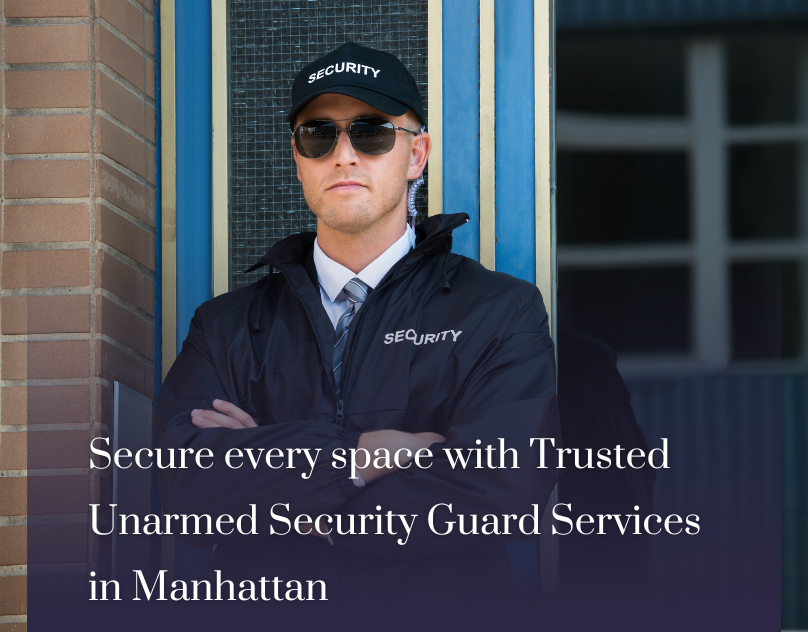
When most people think about security personnel, they often picture someone simply standing at a post or walking around a building. However, unarmed security guard services that Manhattan businesses rely on involve much more than passive observation. These professionals serve as the first line of defense for properties, assets, and people while handling a wide range of complex duties that require skill, training, and quick thinking.
Modern security challenges demand versatile professionals who can adapt to various situations without relying on weapons. Understanding what these guards actually do can help business owners make informed decisions about their security needs and appreciate the value these professionals bring to their operations.
Access Control and Visitor Management
One of the primary responsibilities involves controlling access to and egress from a facility. Security guards check identification, verify appointments, and maintain detailed visitor logs. This process goes far beyond simply opening doors for people.
Guards must quickly assess the legitimacy and purpose of each person visiting. They compare identification against authorized visitor lists, contact employees to confirm appointments, and issue temporary badges or passes as needed. Additionally, they monitor multiple entry points simultaneously, ensuring unauthorized individuals cannot slip through secondary entrances while they handle primary reception duties.
Furthermore, guards track visitor movements throughout the building, noting arrival and departure times. This information becomes crucial during emergencies when they need to account for all people in the building. They also manage vendor access, ensuring delivery personnel and contractors follow proper protocols without compromising security.
Surveillance and Monitoring Operations
Modern unarmed security guard services that Manhattan companies provide include sophisticated surveillance duties that extend well beyond watching security cameras. Guards actively monitor multiple video feeds, looking for suspicious activities, safety hazards, and policy violations.
They learn to recognize standard patterns of behavior and identify when something seems out of place. This might include noticing someone loitering in unusual areas, observing potential theft activities, or spotting safety violations that could lead to accidents.
Guards also coordinate with remote monitoring centers, providing real-time updates about situations as they develop. They document incidents through detailed reports, capturing timestamps, descriptions, and photographic evidence when appropriate. These records often become essential for insurance claims, legal proceedings, or internal investigations.
Emergency Response and Crisis Management
When emergencies occur, security guards often serve as first responders, taking immediate action before professional emergency services arrive. They receive training in basic first aid, CPR, and emergency evacuation procedures.
During medical emergencies, guards provide initial assistance while contacting emergency medical services (EMS) personnel, such as paramedics. They clear pathways for emergency vehicles, guide responders to the correct locations, and assist in coordinating with medical personnel. Their quick response saves lives in critical situations.
Fire emergencies require guards to activate alarm systems, ensure people evacuate safely, and account for all occupants of the building. They assist people with mobility challenges, direct traffic flow away from emergency zones, and provide essential information to fire departments about building layouts and potential hazards.
Similarly, during severe weather events, guards help implement emergency protocols, secure loose objects that could become dangerous, and maintain communication with building management and emergency services.
Customer Service and Public Relations
Security personnel often serve as the first point of contact for visitors, making them unofficial ambassadors for the organizations they protect. They provide directions, answer basic questions about the facility, and help visitors feel welcome while maintaining security standards.
This dual role requires excellent communication skills and professional demeanor. Guards must be firm when enforcing security policies while maintaining a courteous and helpful demeanor. They handle complaints diplomatically, de-escalate tense situations through conversation, and maintain positive relationships with regular visitors and employees.
Many unarmed security guard services in Manhattan businesses also involve guards assisting with fundamental maintenance issues, such as reporting broken equipment, coordinating with repair services, and ensuring that public areas remain clean and presentable.
Incident Documentation and Reporting
Detailed record-keeping represents a critical but often overlooked aspect of security work. Guards document everything from minor policy violations to serious security breaches, creating comprehensive reports that serve multiple purposes.
These reports help identify patterns of behavior, track recurring problems, and provide evidence for legal proceedings when necessary. Guards must write clearly and objectively, including specific details about times, locations, people involved, and actions taken.
They also maintain daily logs that record routine activities, visitor information, and any unusual occurrences. This documentation helps management understand normal operations and identify areas where security procedures might need adjustment.
Property Protection and Loss Prevention
Guards actively work to prevent theft, vandalism, and property damage through regular patrols and observation. They check doors, windows, and other potential entry points to ensure buildings remain secure.
During patrols, they look for signs of attempted break-ins, vandalism, or other property damage. They also monitor for internal threats, watching for employees or visitors who might be trying to steal merchandise, equipment, or sensitive information.
Loss prevention duties often include checking bags, monitoring high-value areas, and observing behavior patterns that might indicate theft attempts. Guards coordinate with management and law enforcement when they detect suspicious activities or actual crimes.
Technology Integration and System Management
Modern security operations rely heavily on technology, and guards must understand how to effectively operate various systems. This includes alarm systems, access control panels, communication equipment, and surveillance software.
Guards constantly monitor these systems, responding to alerts and alarms appropriately. They troubleshoot fundamental technical problems, coordinate with IT support when needed, and ensure all security equipment functions properly throughout their shifts.
They also manage electronic access systems, updating permissions as needed and ensuring badges or key cards work correctly. When technology fails, guards must implement manual backup procedures to maintain security standards.
Frequently Asked Questions
What training do unarmed security guards receive?
Guards typically complete state-required training programs covering emergency procedures, legal authority, communication skills, and company-specific protocols. Many also receive first aid and CPR certification.
How do unarmed guards handle aggressive situations without weapons?
They rely on de-escalation techniques, communication skills, and procedural protocols. Guards are trained to contact law enforcement when situations exceed their authority or capabilities.
What's the difference between armed and unarmed security services?
Unarmed guards focus on observation, reporting, and prevention rather than enforcement. They provide excellent security coverage for many situations without the liability concerns associated with weapons.
Can security guards make arrests?
Guards have the same citizen's arrest powers as any private individual, but they typically detain suspects and contact police rather than making formal arrests.
What industries commonly use unarmed security services?
Office buildings, retail stores, healthcare facilities, educational institutions, residential complexes, and event venues frequently employ unarmed security personnel.
The Real Value of Professional Security Services
Unarmed security guard services in Manhattan organizations depend on providing comprehensive protection that extends far beyond simple observation. These professionals serve as customer service representatives, emergency responders, loss prevention specialists, and safety coordinators all rolled into one.
Their presence alone often deters criminal activity, while their active engagement with visitors and employees creates a safer, more secure environment for everyone. Investing in professional security services pays dividends through reduced theft, improved emergency response times, and enhanced overall safety.
Understanding these diverse responsibilities helps business owners appreciate why professional security services represent such valuable investments in protecting their assets, employees, and reputation.
