Affordable Safety Solutions: How Unarmed Security Services Save You Money
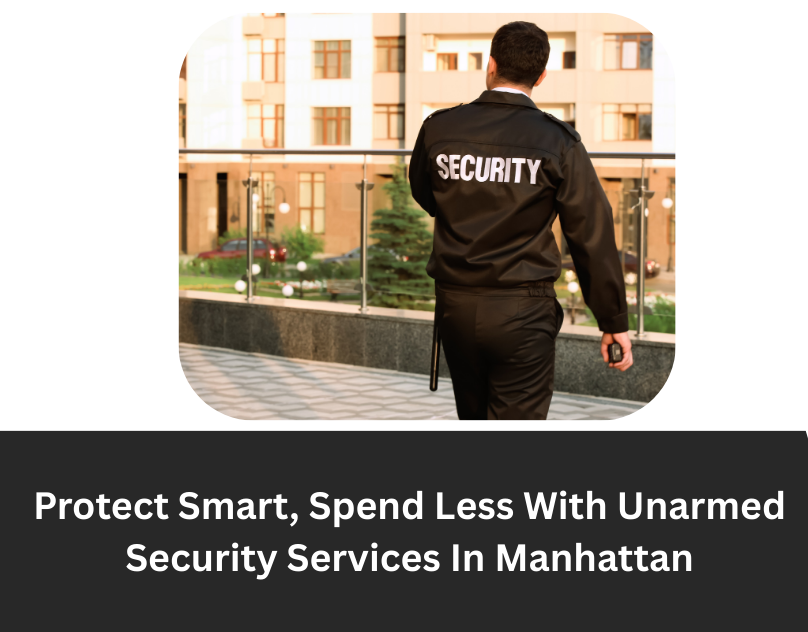
Security concerns affect every business owner, property manager, and organization in today's world. Many assume that adequate protection requires armed guards and expensive security systems. However, unarmed security guard services in Manhattan offer a cost-effective alternative that delivers excellent results for numerous situations. By choosing unarmed security services in Manhattan, businesses can significantly reduce their security expenses while maintaining professional protection for their premises, employees, and customers.
The growing demand for affordable yet reliable security solutions has made unarmed security personnel increasingly popular across Manhattan's business landscape. From retail stores to corporate offices, residential buildings to educational institutions, these professionals provide visible deterrence and responsive service without the higher costs associated with armed security. Understanding how unarmed guards save money helps organizations make informed decisions about their security investments.
This comprehensive guide explores the financial advantages of unarmed security services and demonstrates why they represent smart spending for many businesses. We'll examine direct cost savings, insurance benefits, liability considerations, and practical applications that make unarmed guards an intelligent choice for budget-conscious organizations.
Lower Hourly Rates Without Compromising Quality
The most immediate cost advantage comes from hourly wage differences. Unarmed security guards typically cost 30-40% less per hour than their armed counterparts. This substantial reduction stems from different training requirements, insurance costs, and market rates for these distinct service levels.
Armed guards command premium wages because they carry firearms and assume greater liability risks. Their extensive training includes weapons handling, active shooter response, and lethal force decision-making. Conversely, unarmed guards focus on observation, communication, and conflict de-escalation skills that prevent situations from escalating to violence.
For businesses requiring 24/7 security coverage, these hourly savings accumulate quickly. A property paying $35 per hour for armed guards versus $22 per hour for unarmed personnel saves approximately $114,000 annually per guard position. Organizations with multiple guard posts can multiply these savings significantly while still maintaining a strong security presence.
Reduced Insurance Premiums and Liability Costs
Insurance companies assess risk differently for armed versus unarmed security operations. Policies covering armed guards cost considerably more because firearms introduce additional liability exposure. When guards carry weapons, organizations face potential claims related to accidental discharge, excessive force, or wrongful death.
Minimal Training and Certification Expenses
Training requirements for unarmed guards cost significantly less than those for armed guards. While both guard types need basic security training, armed personnel must complete extensive firearms courses, pass shooting range qualifications, and undergo regular recertification. These specialized programs add thousands of dollars to training budgets.
Unarmed guards need solid training in areas like access control, emergency response, customer service, and report writing. However, these programs typically cost 50-70% less than armed guard training. Additionally, ongoing training requirements remain less expensive because they don't involve ammunition, range fees, or weapons instructor costs.
Organizations that hire security companies benefit because these training costs get factored into service rates. Companies providing unarmed security services in Manhattan pass their lower training expenses to clients through reduced hourly rates. Businesses that employ security staff directly also save substantially on training investments when choosing unarmed personnel.
Lower Equipment and Maintenance Costs
Armed security operations require significant equipment investments beyond the firearms themselves. Holsters, ammunition, gun safes, cleaning supplies, and backup weapons all add to operational costs. Regular maintenance, repairs, and replacements create ongoing expenses that accumulate over time.
Unarmed security programs need minimal specialized equipment. Basic items include uniforms, communication devices, flashlights, and reporting tools. Modern technology, like mobile apps and digital reporting systems, keeps costs manageable while improving efficiency. These simpler equipment needs translate to lower startup costs and reduced ongoing maintenance expenses.
Additionally, firearms require secure storage facilities that meet strict regulatory standards. Building or modifying spaces to accommodate weapon storage adds construction costs and ongoing compliance expenses. Unarmed operations avoid these infrastructure requirements entirely, saving money on both initial setup and long-term facility management.
Simplified Regulatory Compliance
Armed security faces stringent regulations regarding weapons permits, carry licenses, and use-of-force policies. Maintaining compliance requires dedicated administrative resources, legal consultations, and regular audits. These regulatory requirements create hidden costs that extend beyond guard wages and training.
Unarmed security programs operate under simpler regulatory frameworks. While guards still need proper licensing and training, the absence of firearms dramatically reduces compliance complexity. Organizations spend less time and money on paperwork, legal reviews, and regulatory consultations.
Consequently, administrative overhead decreases when managing unarmed security teams. Fewer specialized policies need to be developed and maintained. Simpler hiring processes move faster because extensive firearms background checks aren't necessary. These streamlined operations reduce management time and associated costs throughout the security program.
Flexible Deployment for Various Situations
Unarmed security guard services in Manhattan provide remarkable versatility across different environments and situations. This flexibility allows organizations to deploy security resources more efficiently, avoiding overinvestment in unnecessary capabilities. Businesses can match security levels precisely to actual needs rather than defaulting to more expensive armed protection.
Many situations benefit from a visible security presence without requiring armed response capabilities. Retail stores, office lobbies, residential buildings, schools, and healthcare facilities often find unarmed guards perfectly adequate for their security needs. These environments prioritize customer service, access control, and incident prevention over armed response.
Organizations can also strategically combine security approaches. For example, using unarmed guards for routine patrol and access control while maintaining armed guards only for high-risk areas or specific time periods. This hybrid approach optimizes spending by deploying expensive armed resources only where truly necessary.
Enhanced Community Relations and Customer Comfort
Armed guards can create intimidating atmospheres that negatively impact customer experiences and community relationships. Some visitors feel uncomfortable around visible firearms, particularly in retail, educational, or healthcare settings. This discomfort can affect business operations and public perception.
Unarmed guards typically project more approachable, service-oriented images. They can engage positively with customers, provide directions, and offer assistance without the barrier that weapons sometimes create. This enhanced approachability improves overall security effectiveness because people are more likely to report concerns to friendly, accessible guards.
Better community relations also reduce indirect costs. Businesses with welcoming security environments see higher customer satisfaction, improved reputation, and stronger stakeholder relationships. These intangible benefits contribute to long-term financial performance even though they don't appear as direct security cost savings.
Reduced Risk of Escalation and Violent Outcomes
Armed guards face difficult decisions about when to use weapons. Despite thorough training, situations sometimes escalate to violence, partly because firearms are available. Research suggests that the presence of weapons can inadvertently increase the intensity of confrontation in certain circumstances.
Unarmed security services in Manhattan remove this escalation risk entirely. Guards trained in verbal de-escalation and conflict resolution can often defuse tense situations more effectively than armed guards. They focus on communication, negotiation, and calling appropriate backup rather than preparing for armed confrontation.
When security incidents remain non-violent, associated costs stay much lower. Property damage, medical expenses, legal fees, and reputation repair all cost less when situations don't escalate to the point of weapons use. Organizations avoid these potentially expensive outcomes by choosing unarmed security for appropriate conditions.
Faster Hiring and Deployment Processes
Recruiting armed security guards takes longer because candidate pools are smaller and vetting processes are more extensive. Firearm requirements, additional background checks, and specialized certifications limit the pool of available applicants. This extended hiring timeline can delay the implementation of the security program and create coverage gaps.
Unarmed guard positions attract broader applicant pools and move through hiring processes more quickly. Organizations can staff security positions faster, respond to changing needs more nimbly, and maintain consistent coverage more easily. These operational efficiencies reduce costs associated with understaffing, overtime, and emergency staffing solutions.
Additionally, lower turnover among unarmed guards reduces hiring costs. When guards feel their roles emphasize customer service and conflict prevention rather than potential violence, job satisfaction often increases. Higher retention means lower recruiting and training costs over time.
Appropriate Protection for Most Business Scenarios
Many organizations overestimate their security threat levels and invest in armed protection they don't actually need. Honest risk assessments often reveal that visible security presence and professional response capabilities adequately address most concerns without requiring armed guards.
Unarmed security guard services in Manhattan effectively handle common security challenges like deterring trespassing, monitoring access points, responding to alarms, providing emergency assistance, and documenting incidents. These core functions protect most properties and businesses without the need for armed intervention.
Armed security makes sense for high-risk environments like jewelry stores, banks, cash-intensive businesses, or facilities facing specific threats. However, the vast majority of commercial properties, residential buildings, retail stores, and office spaces operate safely with unarmed security. Matching security levels to actual risk profiles prevents unnecessary spending on excessive protection.
Technology Integration Maximizes Value
Modern security technology complements unarmed guards exceptionally well, creating comprehensive protection at reasonable costs. Surveillance cameras, access control systems, alarm monitoring, and mobile patrol apps enhance guard effectiveness without increasing staffing levels.
Unarmed guards excel at monitoring security technology and responding appropriately to alerts. They can verify alarm conditions, document suspicious activity captured on cameras, and coordinate with law enforcement when necessary. This technology-guard partnership delivers robust security while controlling costs.
Furthermore, technology investments often provide better returns when paired with unarmed rather than armed guards. The cost differential between guard types leaves more budget available for cameras, sensors, and software systems. Organizations can build more comprehensive security programs by balancing human and technological resources intelligently.
