What Role Technology Now Plays in Modern Executive Protection?
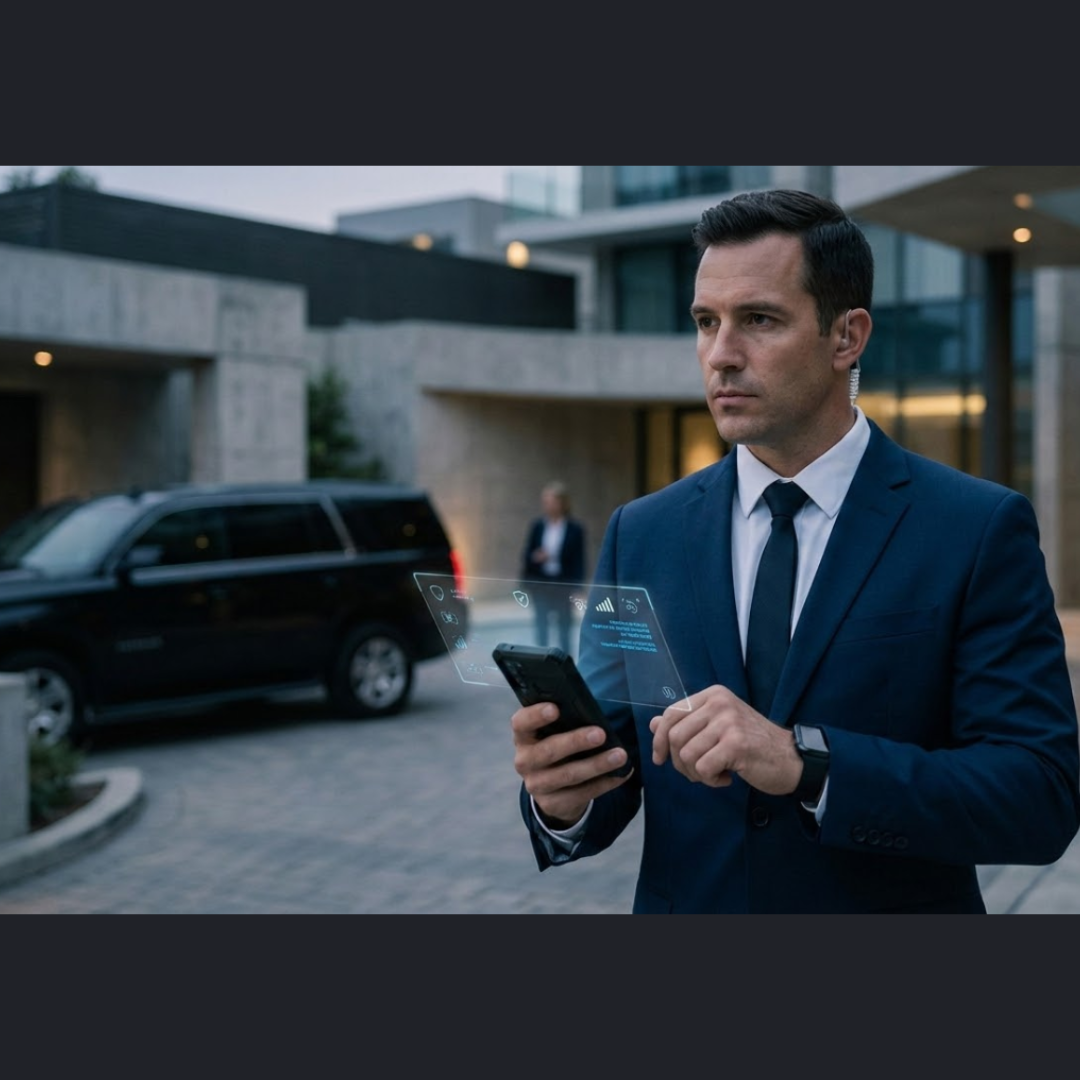
In today’s rapidly evolving security landscape, modern executives face threats that are more sophisticated than ever. From cyberattacks to physical security breaches, ensuring personal safety requires more than traditional security methods. This is where executive protection steps in, leveraging cutting-edge technology to anticipate, prevent, and respond to potential risks. Companies investing in executive protection now combine human expertise with advanced digital tools, giving leaders confidence in their daily operations. For security service buyers, understanding how technology integrates into protective strategies is key to selecting the right provider.
How Technology Enhances Personal Security for Executives?
Technology has revolutionized executive protection by offering smarter, faster, and more reliable methods to safeguard high-profile individuals. Here’s how modern innovations are shaping protective services:
- Advanced Surveillance Systems: Modern security teams use AI-driven cameras and sensors that detect unusual patterns in real time. These systems allow for proactive threat assessment before incidents escalate.
- Mobile Monitoring: Executives can now have personal protection apps that track location, send alerts, and instantly communicate with security teams.
- Access Control Technology: Smart locks, biometric scanners, and secure entry protocols ensure only authorized personnel can access sensitive areas, reducing insider threats.
- Cybersecurity Integration: Digital threats often accompany physical risks. Security services now include cyber monitoring to protect sensitive data and communication channels.
Why Real-Time Communication Matters in Executive Protection?
Effective protection relies heavily on instant information sharing. Modern security services integrate secure communication networks that allow teams to respond immediately to emergencies. Features like encrypted radios, live video feeds, and GPS-enabled tracking ensure that protective staff can coordinate seamlessly, even across multiple locations. This integration of technology with human vigilance dramatically reduces response times and enhances overall safety.
Key Benefits of Technology-Driven Executive Protection
Adopting technology in protective strategies offers tangible benefits to both executives and security service buyers:
- Predictive Risk Management: AI analytics can identify potential threats based on behavior patterns, travel routes, or local crime data.
- Enhanced Situational Awareness: Wearables and mobile devices provide live updates, giving executives and teams a clearer picture of evolving risks.
- Operational Efficiency: Automated reporting, check-ins, and monitoring reduce administrative burdens on security personnel.
- Customizable Security Solutions: Technology allows for tailored protection plans that align with an executive’s schedule, lifestyle, and risk profile.
Common Technologies Used in Modern Protection Services
Understanding the tools behind executive protection can help buyers make informed decisions:
- Drones and Aerial Monitoring: Useful for event security and route surveillance.
- GPS and Geofencing: Enables automatic alerts if an executive moves into a risk-prone area.
- AI Threat Detection: Monitors social media, news, and local alerts to anticipate emerging threats.
- Secure Transportation Tech: Smart vehicles equipped with tracking, alarms, and emergency response systems.
Real-World Applications: How Security Services Implement Technology
Modern security providers are integrating these technologies across industries:
- Corporate Executives: Daily commutes and business travel are monitored with route analytics and mobile alerts.
- Public Figures: Event security teams combine crowd analysis software and drones to mitigate potential threats.
- Healthcare and VIP Clients: Sensitive locations use biometric access and real-time surveillance to prevent unauthorized entry.
Choosing the Right Executive Protection Partner
Selecting a provider isn’t just about equipment—it’s about expertise. Buyers should evaluate:
- Proven experience in handling high-risk situations
- Comprehensive technology adoption
- Ability to provide tailored, discreet protection plans
- Quick response and coordination capabilities
Modern executive protection is no longer solely about physical presence. It’s the combination of skilled professionals and intelligent systems that ensures executives remain safe, informed, and prepared for unexpected risks.
