What Role Do Unarmed Guards Play in Healthcare Facilities?
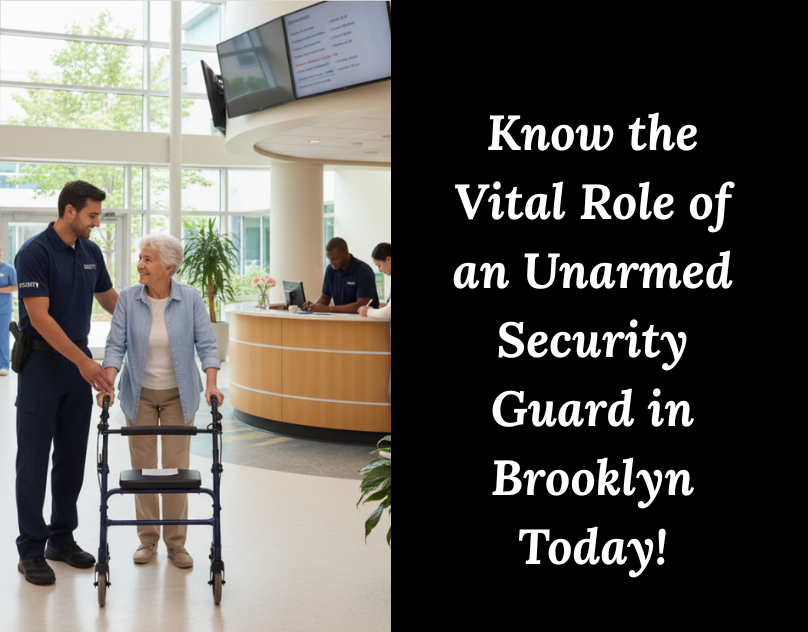
Healthcare facilities face unique security challenges every single day. From managing visitor access to preventing workplace violence, hospitals and clinics need protection that balances safety with compassion. This is where unarmed security guard Brooklyn services become invaluable. These professionals create secure environments while maintaining the welcoming atmosphere patients and families expect during vulnerable moments.
Unlike armed security personnel, unarmed guards rely on communication skills, de-escalation techniques, and observational expertise to keep healthcare settings safe. Their presence serves multiple purposes beyond simple surveillance, making them essential team members in modern medical environments.
Creating a Welcoming Yet Secure Environment
Healthcare facilities must walk a delicate line between security and accessibility. Patients arriving for treatment already feel stressed and vulnerable. Therefore, heavily armed security can create anxiety rather than comfort.
Unarmed guards excel at providing visible security without intimidation. They greet visitors, provide directions, and offer assistance while simultaneously monitoring for potential threats. This dual role helps maintain the healing environment that healthcare facilities strive to create.
Moreover, their approachable demeanor encourages people to report suspicious behavior or seek help when needed. Patients and visitors feel more comfortable speaking with unarmed personnel about concerns, which actually enhances overall facility security.
Managing Access Control and Visitor Screening
Controlling who enters healthcare buildings is critical for patient safety and privacy compliance. Unarmed security professionals stationed at entrances perform several vital functions:
- Verification of visitor credentials and checking identification when necessary
- Screening for prohibited items like weapons or contraband substances
- Issuing visitor badges and explaining facility policies clearly
- Monitoring restricted areas to ensure only authorized personnel enter sensitive zones
- Tracking visitor logs for contact tracing and security audits
These access control measures prevent unauthorized individuals from wandering into patient care areas, pharmacies, or emergency departments. Additionally, they help facilities comply with HIPAA regulations by limiting access to protected health information.
De-escalating Tense Situations
Emergency rooms and psychiatric units frequently experience heightened emotions. Family members receive difficult news, patients struggle with pain or confusion, and stress levels run high throughout healthcare settings.
An unarmed security guard in Brooklyn facility managers typically receives specialized training in crisis intervention and de-escalation techniques. Instead of using force, these guards employ:
- Active listening skills to understand underlying concerns
- Calm verbal communication to reduce tension
- Strategic positioning to maintain personal safety
- Conflict resolution techniques that respect dignity
- Knowledge of when to request additional support
Through these methods, unarmed guards often prevent situations from escalating into violence. Their presence alone frequently deters aggressive behavior, while their training allows them to defuse conflicts before they require physical intervention.
Protecting Staff from Workplace Violence
Healthcare workers face alarming rates of workplace violence. Nurses, doctors, and support staff may encounter verbal abuse, threats, or physical attacks from patients, visitors, or even other staff members.
Unarmed security guards provide a crucial layer of protection for medical personnel. They conduct regular patrols through hallways, parking structures, and outdoor areas where staff might be vulnerable. Furthermore, they respond quickly when staff members activate panic buttons or call for assistance.
The mere presence of security personnel discourages potential aggressors from acting on violent impulses. When incidents do occur, guards can physically intervene to separate combatants, escort disruptive individuals off premises, and document events for facility records and potential legal proceedings.
Conducting Safety Patrols and Monitoring
Beyond stationed posts, unarmed guards perform regular rounds throughout healthcare campuses. These patrols serve multiple security functions that protect both people and property.
During patrols, guards check that doors and windows remain properly secured, verify that fire exits stay unobstructed, and ensure lighting systems function correctly in parking areas. They also watch for slip-and-fall hazards, malfunctioning equipment, or maintenance issues that could endanger patients and staff.
Additionally, patrol routes include high-risk areas like parking garages, where assaults and vehicle break-ins occur more frequently. Regular guard presence in these locations significantly reduces criminal activity while helping employees and visitors feel safer during evening hours.
Responding to Medical Emergencies
While not medical professionals themselves, unarmed security guard teams often receive basic first aid and CPR training. During medical emergencies, they play important supporting roles:
- Clearing hallways and elevators for incoming emergency responders
- Directing family members away from active emergencies
- Providing crowd control during codes or mass casualty events
- Assisting with patient elopement situations when confused individuals wander
- Communicating with 911 dispatchers and external emergency services
Their quick response can make critical differences in emergency outcomes. Furthermore, their familiarity with facility layouts allows them to guide paramedics, firefighters, or police officers to incident locations without delay.
Assisting with Loss Prevention
Healthcare facilities house expensive medical equipment, medications, and personal belongings. Unfortunately, theft occurs regularly in hospitals and clinics, targeting both facility assets and patient valuables.
Unarmed guards help prevent losses through vigilant observation and strategic positioning. They monitor loading docks where supplies arrive, watch high-value equipment areas, and investigate suspicious behavior that might indicate theft in progress.
When theft does occur, security personnel review surveillance footage, interview witnesses, and coordinate with local law enforcement. Their detailed incident reports provide documentation needed for insurance claims and criminal prosecutions.
What's the difference between armed and unarmed security guards in healthcare?
Armed guards carry firearms and typically handle high-threat situations, while unarmed guards focus on prevention, de-escalation, and creating approachable security presences that suit healthcare environments better.
Are unarmed guards effective in violent situations?
Yes, through specialized training in de-escalation, defensive tactics, and crisis intervention. Most healthcare incidents involve verbal conflicts that unarmed professionals successfully resolve without weapons.
Do hospitals prefer unarmed security personnel?
Many healthcare facilities specifically choose unarmed security guard services because they align better with healing environments and reduce liability concerns associated with firearms in crowded medical settings.
What qualifications should healthcare security guards have?
Essential qualifications include state licensing, background checks, crisis intervention training, first aid certification, and experience in healthcare security settings with an understanding of HIPAA regulations.
Can unarmed guards detain dangerous individuals?
Guards can use reasonable force to detain individuals posing immediate threats until police arrive. However, they prioritize containment and communication over physical confrontation whenever possible.
