How Does An Armed Security Guards Company Respond After An Incident?
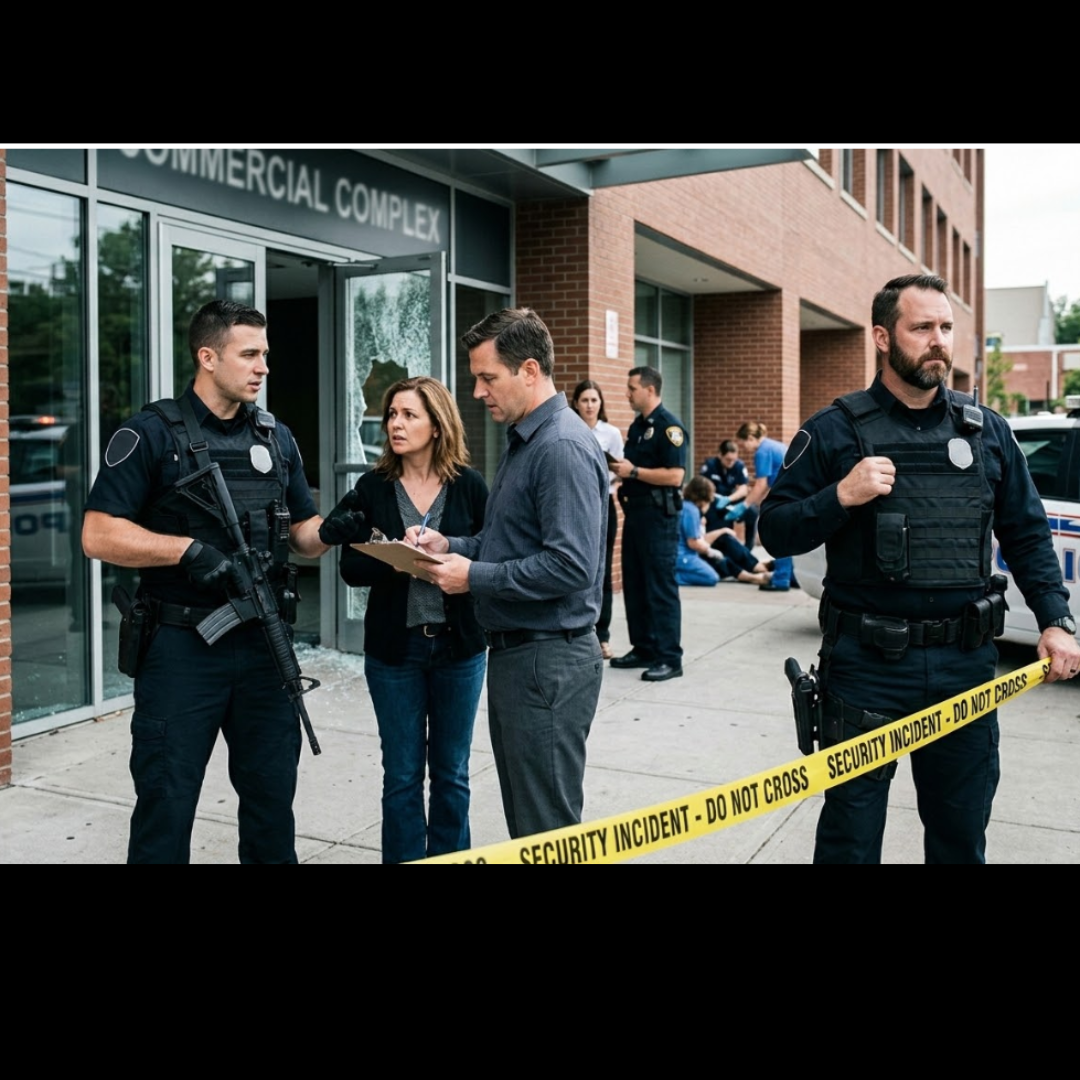
When a serious security breach happens, businesses don’t just want a guard on-site — they want a clear, controlled, and professional response. Whether it’s workplace violence, theft, trespassing, or a critical emergency, the way an armed security guards company reacts can determine legal outcomes, brand reputation, and employee confidence. For property managers, healthcare facilities, warehouses, retail centers, and corporate offices, understanding the post-incident process is essential before choosing a provider. Buyers today look beyond uniforms and weapons — they evaluate training standards, communication systems, documentation accuracy, and risk mitigation strategy. Here’s how a professional security provider handles incidents from the first alert to final reporting.
Immediate Response: What Happens in the First Few Minutes?
The first stage is about containment and control. A trained armed officer follows strict protocols designed to reduce harm and stabilize the situation.
Typical first-response actions include:
- Securing the area to prevent escalation
- Assessing immediate threats
- Providing first aid if necessary
- Contacting emergency services when required
- Protecting employees, visitors, or assets
Professional officers are trained in de-escalation before force is ever considered. The presence of an armed professional alone often prevents further aggression. However, if a situation requires defensive action, it is handled within strict legal boundaries and company policy.
Speed matters — but so does judgment. Experienced officers are trained to evaluate the environment before making any tactical decision.
Communication & Coordination: Who Gets Notified?
A reliable security team doesn’t operate in isolation. Once the situation is stabilized, communication begins immediately.
Key communication steps include:
- Informing the client’s management or security director
- Alerting local law enforcement when necessary
- Coordinating with emergency medical responders
- Notifying internal dispatch supervisors
If the property is located in a major urban region like Los Angeles or New York City, response coordination may involve multiple agencies. A seasoned team understands local procedures, reporting requirements, and jurisdictional rules.
Clear communication prevents misinformation, reduces liability, and protects the client’s reputation.
Scene Control & Evidence Preservation
After the immediate threat is neutralized, the next priority is protecting the integrity of the scene.
Security officers may:
- Restrict unauthorized access
- Document visible damage
- Preserve surveillance footage
- Identify witnesses
- Maintain detailed activity logs
This step is crucial for insurance claims, internal investigations, and legal proceedings. Poor documentation can weaken a client’s case or expose them to risk.
A credible provider ensures that reports are factual, objective, and timestamped.
Incident Documentation: Why Reports Matter
Professional reporting separates a premium service provider from a basic guard service.
A structured incident report typically includes:
- Chronological timeline of events
- Actions taken by officers
- Statements from witnesses
- Law enforcement interaction details
- Recommendations for future prevention
Clients rely on these reports to assess vulnerabilities. In industries such as healthcare, retail, and logistics, compliance documentation may also be required for regulatory purposes.
Strong documentation demonstrates accountability and transparency — two qualities buyers actively seek.
Post-Incident Review & Risk Assessment
What happens after the paperwork is completed? The best security providers conduct a follow-up evaluation.
This may involve:
- Reviewing CCTV footage with management
- Identifying gaps in coverage
- Evaluating staffing levels
- Adjusting patrol routes
- Recommending additional technology
An experienced armed security guards company doesn’t treat an incident as a one-time event. Instead, they view it as data — information that can improve prevention strategies.
For example, a warehouse that experiences repeated after-hours trespassing may require adjusted patrol frequency or controlled access systems.
Training & Professional Standards
A company’s response quality reflects its training standards.
Look for providers who emphasize:
- Use-of-force compliance training
- Legal education and state certification
- Crisis management and de-escalation techniques
- Emergency medical response skills
- Scenario-based simulations
Professional armed officers operate within strict guidelines. Their training ensures actions are defensible, lawful, and proportional.
Buyers evaluating options should always ask about ongoing training frequency and supervision models.
How Clients Benefit from a Structured Response
For business owners and facility managers, the benefits extend beyond immediate safety.
A structured incident response helps:
- Reduce legal exposure
- Improve insurance claim outcomes
- Protect employee morale
- Maintain operational continuity
- Strengthen stakeholder confidence
Security is not just about reacting — it’s about protecting brand integrity and long-term stability.
What Should You Ask Before Hiring?
Before partnering with any provider, consider these decision-making questions:
- What is your documented incident response protocol?
- How quickly are supervisors dispatched after an event?
- Do you provide detailed written reports within 24 hours?
- How do you coordinate with local law enforcement?
- What liability coverage does your company carry?
These questions reveal professionalism and preparedness.
Why Experience Matters in High-Risk Situations?
Not all providers handle high-pressure incidents equally. An established armed security guards company operates with:
- Structured supervision hierarchy
- Clear escalation channels
- Professional liability coverage
- Background-verified personnel
- Performance audits
Experience reduces panic. Systems reduce mistakes. And accountability protects clients.
Security incidents are unpredictable, but your response strategy doesn’t have to be. Partnering with a professional team ensures that when something goes wrong, there is already a plan in place — clear, controlled, and legally sound. If your organization is evaluating protective services, now is the time to review your emergency response standards and strengthen your security framework. Connect with a trusted provider to discuss your site-specific risks and ensure your business is prepared before the next incident happens.